Awareness Programs
Diabetes Eswatini Association Expands Education and Screening Drive across the Kingdom
Jul
The Diabetes Eswatini Association (DIASWA) has intensified its nationwide health education, prevention methods and screening campaign aimed at raising awareness about diabetes and promoting early detection throughout the Kingdom of Eswatini.
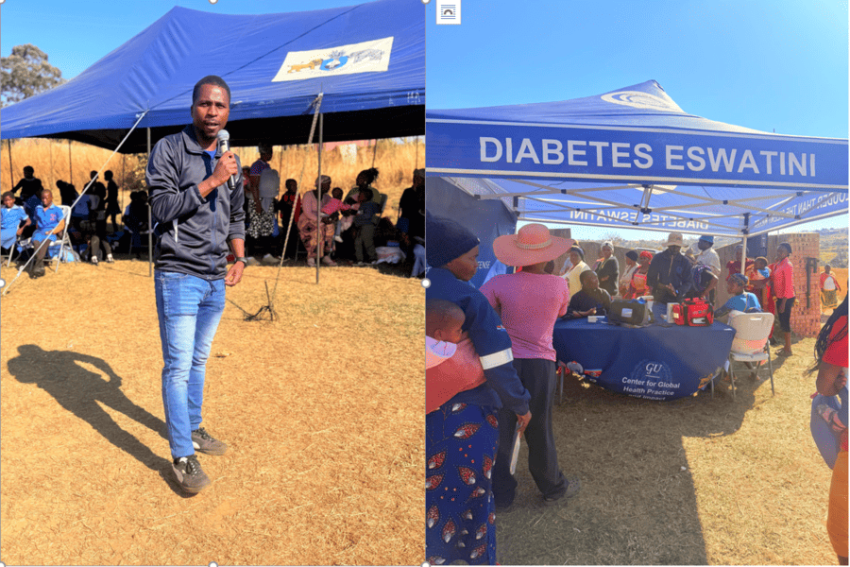
Over the past month, DIASWA teams have conducted community outreach events in rural and urban areas, offering free diabetes screenings, health education talks, and counseling. The initiative is part of the Association’s broader mission to reduce the rising burden of non-communicable diseases (NCDs), particularly Type 2 diabetes, in the country.
“Early detection saves lives,” said DIASWA clinical officer, Bethwel Nkambule. “Many people in our communities are living with diabetes without knowing it. Our goal is to empower the public with information and make testing accessible to everyone, especially in underserved areas.”
Community-Centered Outreach
The campaign has already reached hundreds of people in key locations including Manzini, Nhlangano and Siteki. The Lubombi region was the main area of focus having visited three places consecutively; Shewula, Bhudla and Dvokodvweni Inkhundla.At each event, trained healthcare workers provide finger-prick glucose testing and blood pressure monitoring. Participants also receive informational pamphlets in both English and siSwati covering diet, exercise, symptom awareness, and medication adherence.
In one notable event held in Shewula, over 250 people were screened in a single day. Of these, nearly 15% were found to have elevated blood sugar levels and were referred for further medical evaluation.
Collaborative Efforts
The success of the campaign has been made possible through partnerships with the Ministry of Health, GeorgTown University, corporate sponsors, and partners. Mobile screening units and volunteer nurses have allowed the program to reach even the most remote areas.
Looking Ahead
The Diabetes Eswatini Association plans to continue its outreach activities throughout 2025, with a focus on expanding into schools, churches, and workplaces. Plans are also underway to launch a mobile app for diabetes management and education.
We are committed to building a healthier Eswatini, through education, screening, and support, we can fight diabetes together.”
In all events that we did on the month of June, the people have shown strong need for health services. Most crammed the events venues in the early hours. This depicts demand of health services to communities. As an organisation we are so pleased with the turnout of people towards health orientated events because we now note a surge in men numbers showing up which wasn’t the case before. This shows that people are now educated about the importance of visiting the clinics for medical checks. Noteworthy is the fact that even traditional healers do access the health services as the adage goes”health is wealth”. We deeply encourage everyone to stand and utilise health services for early diagnosis and treatment.
Nowadays chronic disease wreck havoc to the world and have caused many casualties and disabilities. Some these results are perpetuated by late diagnosis dew to delay in visiting health facilities and ignorance about health well being.
Accessing health services more often has more benefits than one
- Early Detection and Prevention
Regular check-ups can help identify health problems early, often before symptoms appear.
Preventive services like vaccinations, screenings for cancer, diabetes, and counseling help reduce the risk of serious illness.
- Better Health Outcomes
Accessing care early and regularly leads to more effective treatment and faster recovery.
Ongoing management of chronic conditions like asthma, diabetes, or hypertension is more successful with consistent medical care.
- Reduces Healthcare Costs
Preventing disease or catching it early reduces the need for expensive emergency treatments or hospitalisations.
Timely use of health services can prevent complications that are costly to manage.
- Promotes Health Education
Health professionals provide information on nutrition, exercise, mental health, and lifestyle changes that support long-term wellness.
Encourages responsible self-care and healthier living.
- Supports Mental Health
Mental health services provide support for stress, anxiety, depression, and other conditions.
Promotes emotional well-being and better quality of life.
- Protects Community Health
When individuals use health services (e.g., for vaccinations or infectious disease testing), it helps control outbreaks and protects the wider community.
Public health programs depend on widespread participation.
- Reduces Health Inequities
Promoting and utilising services ensures that all groups, including marginalized communities, have access to essential care.
Helps close gaps in healthcare access and outcomes.
If you’d like, I can tailor this explanation for a school report, presentation, or healthcare campaign.
For more information about upcoming events or how to get involved, contact the Diabetes Eswatini Association at 35020706 or visit our Facebook page, Diabetes Eswatini..
